
Accelerate B2B SaaS Customer Acquisition with Targeted Growth Sprints
Today we dive into B2B SaaS Customer Acquisition via Targeted Growth Sprints, a focused, time-boxed way to test channels, refine messaging, and scale what works. Expect practical experiments, vivid stories, and measurable frameworks you can run immediately with your team, from ICP clarity to conversion architecture and repeatable go-to-market rhythm.
What a Sprint-Driven Acquisition Engine Looks Like
A sprint-driven acquisition engine prioritizes rapid learning and measurable outcomes over endless planning. In two to four week cycles, cross-functional teams run disciplined experiments, validate assumptions, and double down on wins. You will see shorter feedback loops, clearer ownership, and compounding insights that steadily lower CAC while improving pipeline quality, rather than chasing silver bullets or spreading resources too thin across unproven tactics.

Nailing the Ideal Customer Profile and Segmentation
Precision beats breadth in B2B SaaS. Strong ICPs emerge from evidence, not wishful thinking. Blend firmographics, technographics, triggers, and pain intensity into a living profile. Segment by deal cycles, urgency, and ability to adopt. Then prioritize by reachable volume and expected win rate. One founder told us their pipeline doubled in 60 days by narrowing from all healthcare to regional ambulatory networks facing immediate revenue integrity pressure.
Crafting Messages That Earn Meetings
Effective messages sell the outcome, not the tool. Speak to the job to be done, the risk of inaction, and the precise business moment your buyer inhabits. Replace vague value with quantified impact and proof. Position pains and gains in the buyer’s language, not your internal jargon. Ask for conversation-worthy next steps. Share your hardest messaging challenge with us, and we will crowdsource fresh angles in an upcoming sprint roundup.
Outcome-led positioning that sells business impact
Lead with a before-and-after narrative anchored by numbers. For example, “Cut invoice cycle time 37 percent without adding headcount” outruns “Automate workflows.” Tie impact to executive goals like cash flow, risk reduction, or revenue precision. Pair the claim with a short proof snippet or named customer. When prospects can mentally forward your message to their boss, you’ve earned the meeting.
Objection-first email and LinkedIn copy
Open by naming the uncomfortable truth: integration risk, data hygiene concerns, or stakeholder alignment fatigue. Then offer a concise solution pattern and a tiny proof. Keep the ask light, such as a fifteen-minute discovery call with a clear agenda. Test three variants per sprint, rotating subject lines, problem statements, and social proof. Log every response pattern and double down on what elicits thoughtful replies.
Differentiate without overpromising
Show how you are distinct through a few decisive capabilities and customer outcomes, not endless feature lists. Clarify trade-offs honestly. Prospects reward credibility when you admit where you are not the best fit. Anchor your unique advantage to a moment in their workflow, then invite them to see that exact flow. This honesty reduces discounting and accelerates consensus among skeptical stakeholders.

Channel Experiments with Repeatable Unit Economics
Treat channels like portfolios, not bets you marry forever. In each sprint, test one acquisition pathway deeply enough to understand list quality, messaging resonance, and unit economics. Blend social proof with targeted outreach. Calibrate frequency to avoid fatigue. When cost per qualified meeting and downstream win rates are healthy, create guidelines and playbooks. Share which channel puzzles you most, and we will feature community experiments next week.

High-intent paths and conversion micro-moments
Map the exact steps buyers take from ad to meeting. Offer concise pages focused on the single decision at hand. Use social proof beside the form, not below the fold. Add optional calculators or ROI snapshots. Confirm requests instantly with calendar embeds. By tightening micro-moments, one company moved form-to-meeting rates from fifteen to thirty-three percent in three sprints without increasing traffic.

Trials, sandboxes, and guided demos that de-risk
Offer a safe environment where prospects can experience the promised outcome quickly. Seed demo data, preconfigure views for their role, and highlight one or two must-see workflows. Layer optional human guidance when complexity arises. Instrument activation milestones and trigger helpful nudges. This bridge lets buyers feel progress while sales discovers context, creating trust and shortening cycles without sacrificing deal size.
Measurement, Attribution, and Decision Cadence
What gets measured compounds. Instrument every sprint with clear leading indicators and a small set of outcome metrics. Use attribution as a decision aid, not a debate arena. Where signal is noisy, run holdout or geo tests. Establish a weekly decision cadence that rewards learning and speed. Reply with “SPRINT” to receive our metrics checklist and a spreadsheet template for your next cycle.
North-star, guardrails, and leading indicators
Pick one north-star for acquisition, such as sales-qualified meetings booked with ICP accounts. Surround it with guardrails like payback period and spam complaint rate. Track leading indicators including reply quality and activation milestones. This structure keeps teams ambitious yet safe, enabling fast experimentation without compromising brand integrity or cash efficiency during periods of aggressive testing.
Attribution models that guide, not mislead
Blend self-reported attribution with quantitative models to capture dark social and multi-touch journeys. Avoid over-rotating on last click. Use dashboards that compare channel cohorts by win rate and sales cycle length. When in doubt, run short controlled tests to isolate causal effects. The goal is actionable truth, not perfect truth, enabling fast, confident budget shifts between sprints.
Win/loss, customer success, and narrative reporting
Turn every conversation into data. Feed win/loss notes and customer success insights back into sprint planning. Summarize results as a story: hypothesis, method, evidence, decision. Share widely so institutional knowledge accumulates. This narrative habit improves alignment, clarifies trade-offs, and helps new teammates ramp quickly without replaying old mistakes during high-pressure growth periods.
Plan with sharp hypotheses and success criteria
Write hypotheses that predict a buyer reaction, define the measurement method, and set a pass or fail threshold. Estimate required sample sizes and ensure operational readiness. Share the plan with stakeholders before launch. When everyone understands the intent and criteria, debates shrink, execution improves, and post-sprint decisions become straightforward and defensible.

Daily execution and rapid unblockers
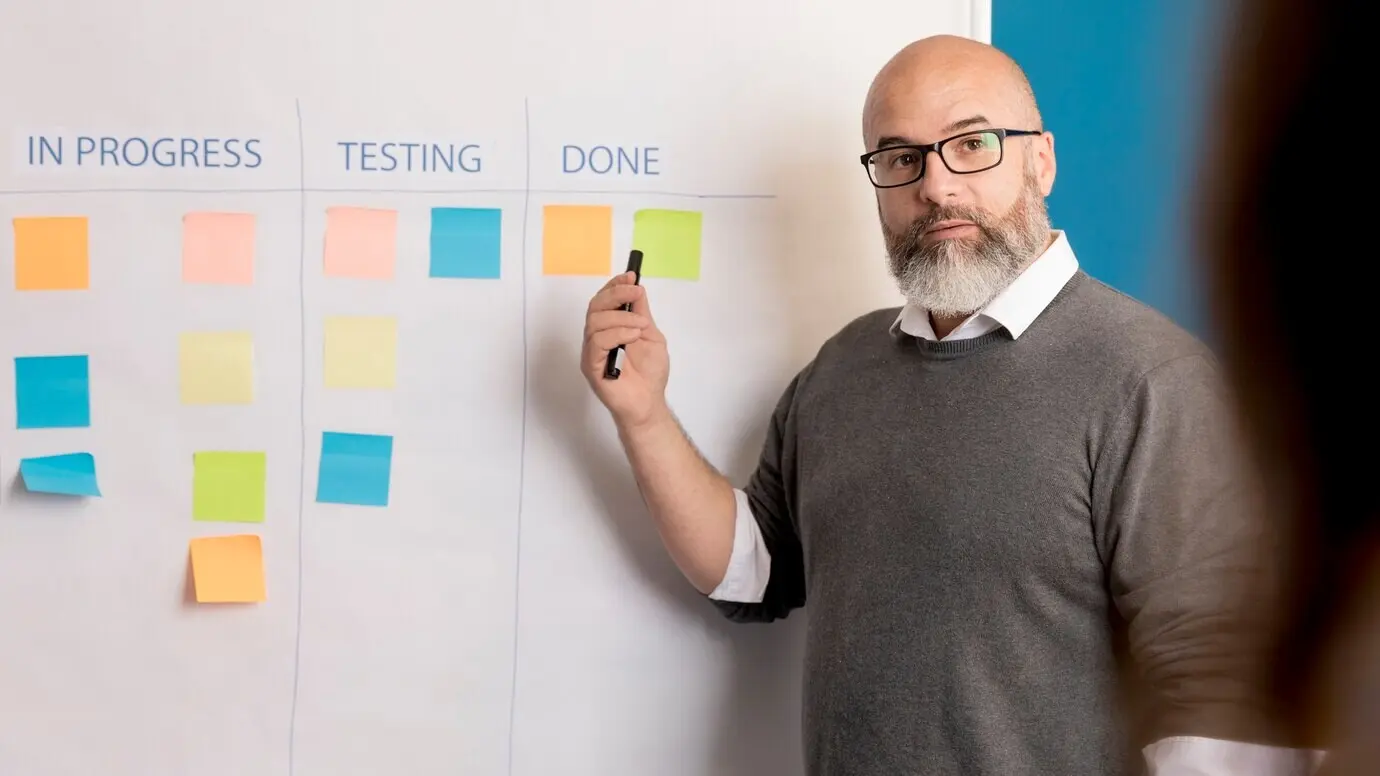
Hold short daily standups to surface blockers, confirm priorities, and coordinate channel efforts. Keep a visible board for assets, approvals, and data pulls. Empower owners to make same-day calls. When friction appears, fix the process, not just the symptom. This habit compounds speed, turning ordinary weeks into meaningful progress toward healthier pipeline and stronger revenue predictability.
Retrospectives that create assets, not files
Move beyond slide dumps. Convert learnings into copy patterns, segment heuristics, objection responses, and SOPs stored where teams actually work. Tag examples with ICP segments and outcomes. Assign owners to maintain them. Over time, this living library becomes your moat, enabling new hires to execute proven plays quickly and expanding what works across regions, products, and buyer stages.
All Rights Reserved.